In short
The first thirty days of getting work back on track are often full of meetings, lists and good intentions. That activity may be useful, but it does not yet show whether work is becoming simpler and more reliable.
The first month should tell a story of movement: where the service began, what changed each week and whether customers or staff can feel an improvement. A few stable measures are enough to see it.
A simple picture
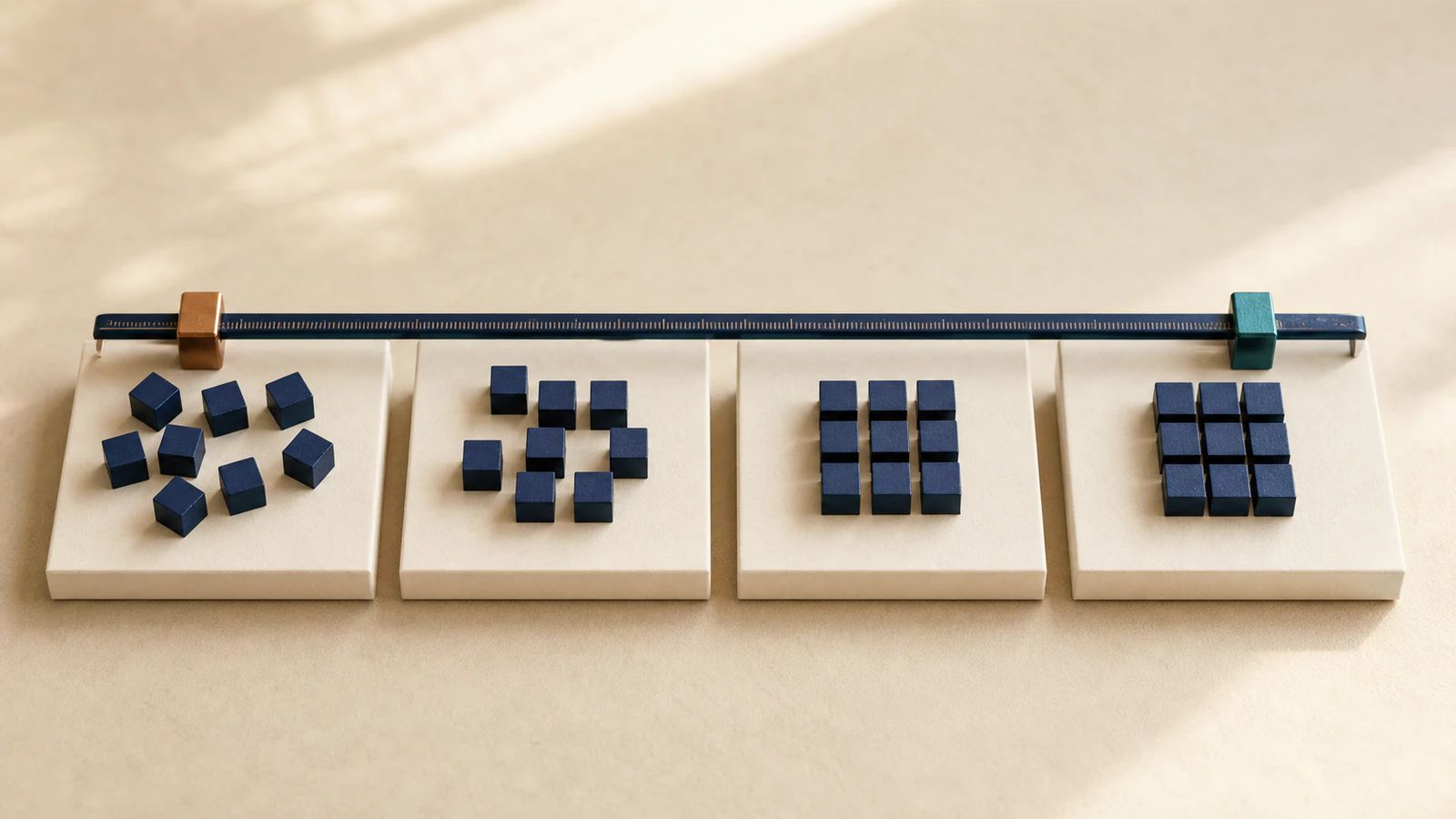
Picture four trays on a table, one for each week. In the first, papers are mixed, some stick out and others are hidden. In the second, urgent cases have been separated. In the third, the piles have an order. By the fourth, everyone can see what must leave today.
A ruler placed alongside the trays makes progress comparable. It does not count the number of hands that moved the papers. It shows whether the disorder is shrinking in a visible, steady way.
Idea 1 — Photograph the first tray before tidying it
Without a starting point, every improvement becomes a matter of opinion. Teams will feel they are moving forward while management asks why results are not yet visible. Take a simple measure before making the first changes.
Choose one important journey through the service and record three facts: how long one case takes from start to finish, how often promised dates change and how many familiar problems return. This picture is not there to judge the team. It shows the table as it really is, so progress can be measured rather than argued.
Idea 2 — Measure the movement of papers, not the activity around them
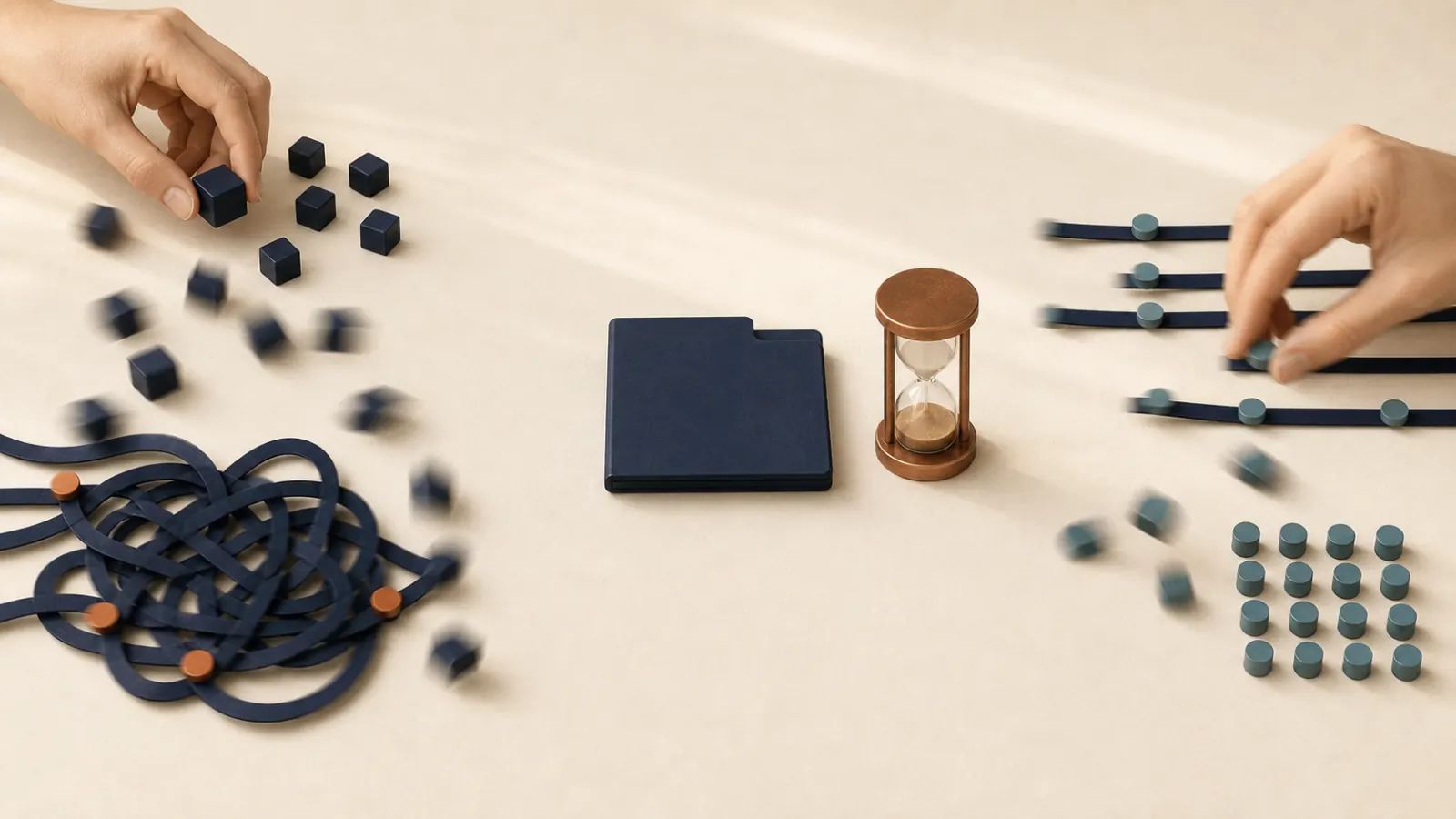
Counting meetings, workshops or completed tasks mainly measures effort. To see whether the service is regaining control, look at how work moves from one tray to the next.
Consider a business trying to shorten approval for unusual orders. It could run five workshops and complete twenty actions without changing the customer’s wait. More helpful measures are the time until a decision, the number of orders returned for missing information and the proportion of promised dates that remain unchanged. When these three move, the improvement is visible in real work.
Idea 3 — Use the same ruler for four weeks
Changing measures each week makes a trend impossible to see. One poor number may create a temptation to refine the definition, exclude a difficult case or add ten new measures. Resist that temptation for a month. Keep the same ruler long enough to tell a one-off event from lasting movement.
Add one short explanation each week: what did we change, what effect can we see and what is still getting in the way? This sentence keeps the numbers connected to reality. If waiting time falls because one person works late every evening, the tray looks tidier but the progress will not last. The story prevents a fragile improvement from being mistaken for a new habit.
Putting it into practice
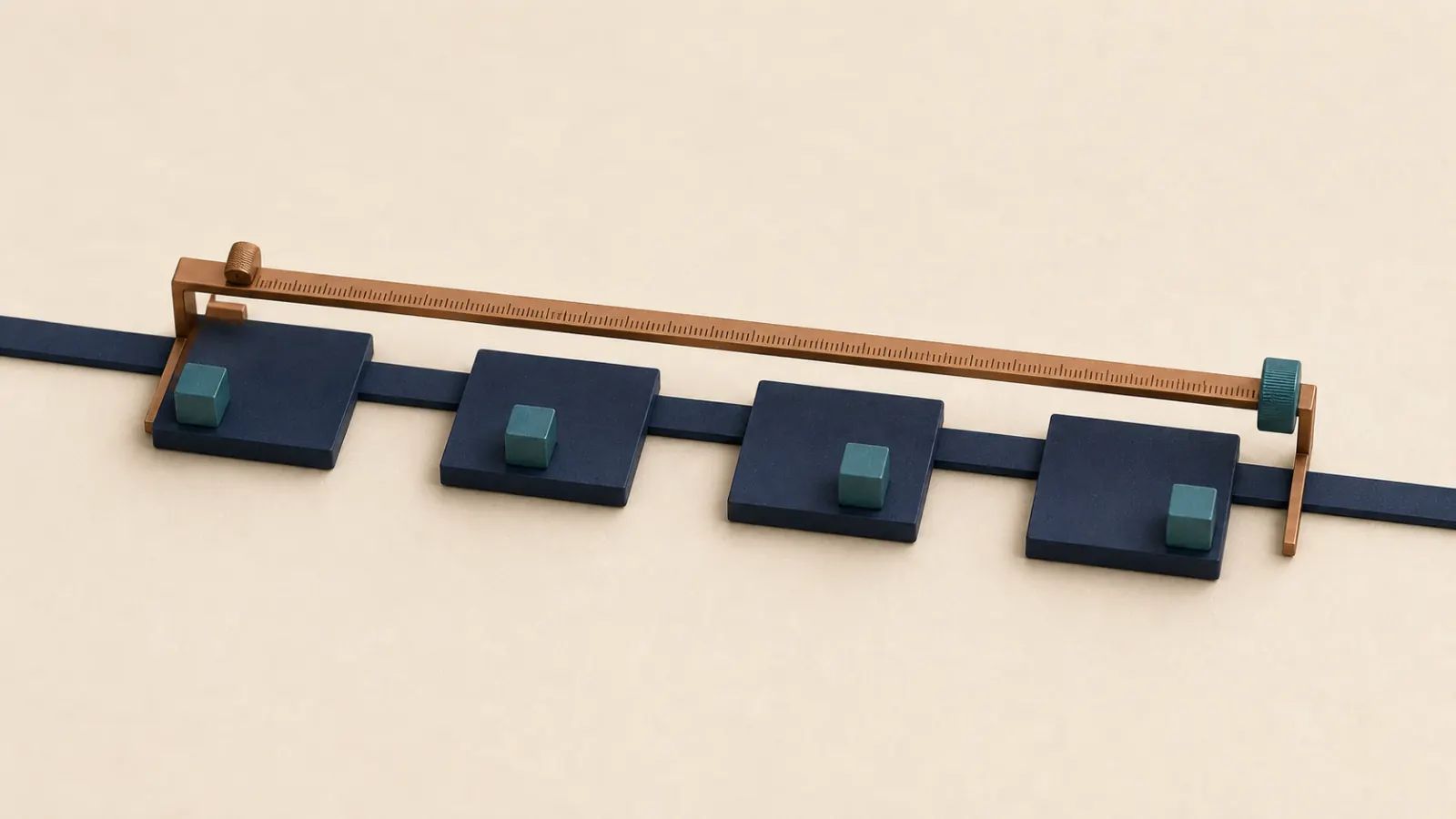
Choose one flow of work that matters to customers or staff. This week, record its total time, changed promises and recurring problems. Then book a twenty-minute conversation at the end of each of the next four weeks.
At every conversation, look at the same three measures and make one decision for the following week. On day thirty, ask three questions: is work moving sooner, are promised dates changing less often and can the improvement continue without exceptional effort? The answers give you an honest conclusion even when everything is not yet fixed.
Takeaway
The first thirty days are not a race to complete more actions. They are four trays checked with the same ruler to see whether work is becoming predictable again. To choose simple, credible measures, let’s talk.