In short
After a serious incident, the natural response is to add checks everywhere: another approval, a longer form, another manager copied into the process. The intention is sound, but the whole service slows down. Within weeks, people begin working around the rules so they can get things done, and the risk returns in a different form.
A better protection starts with three simple moves. Describe the mistake you want to prevent, place a barrier where that mistake becomes dangerous, and prepare a clear response in case it still happens. Routine cases keep moving, while the step with serious consequences receives stronger care.
A simple picture
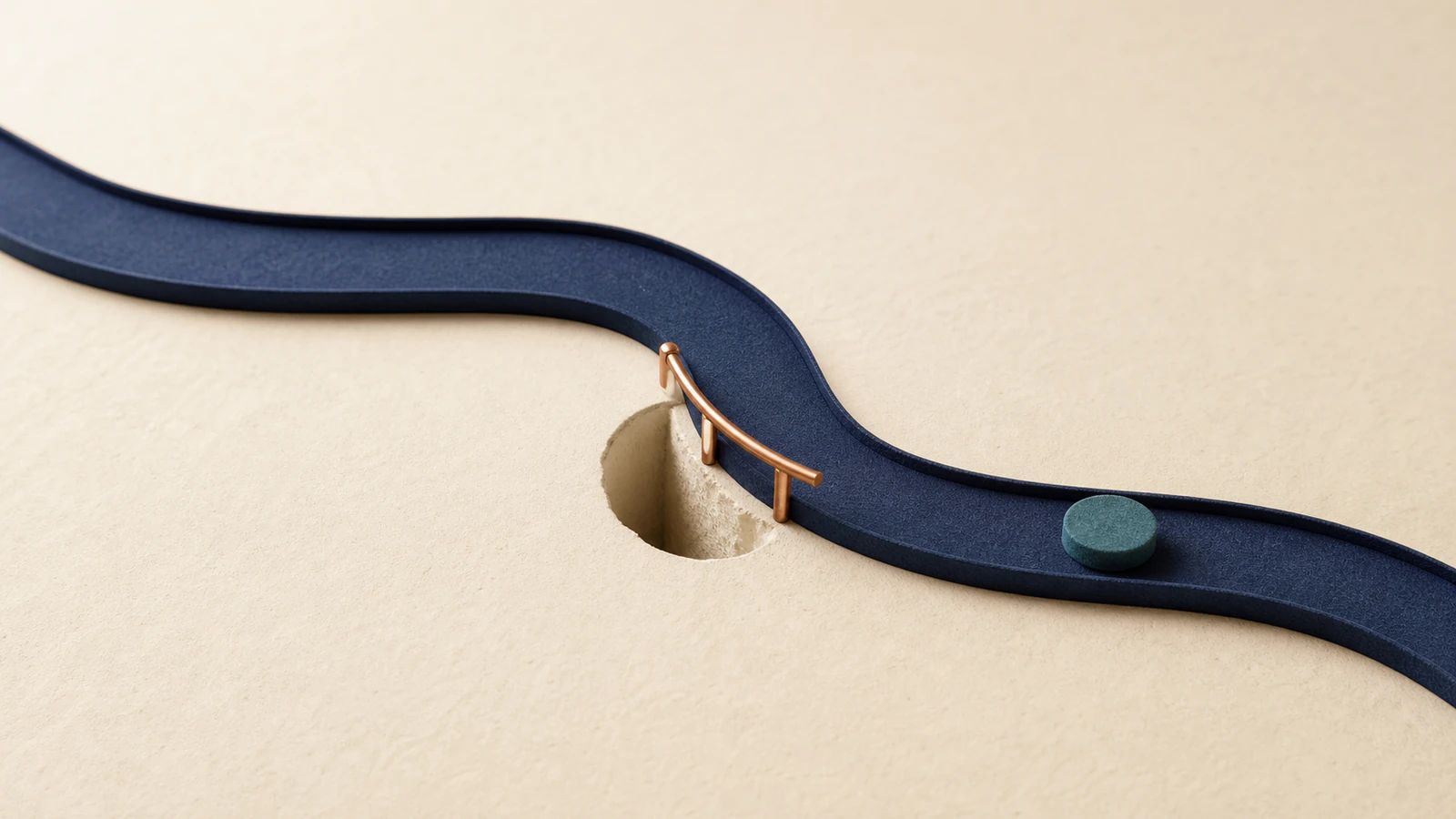
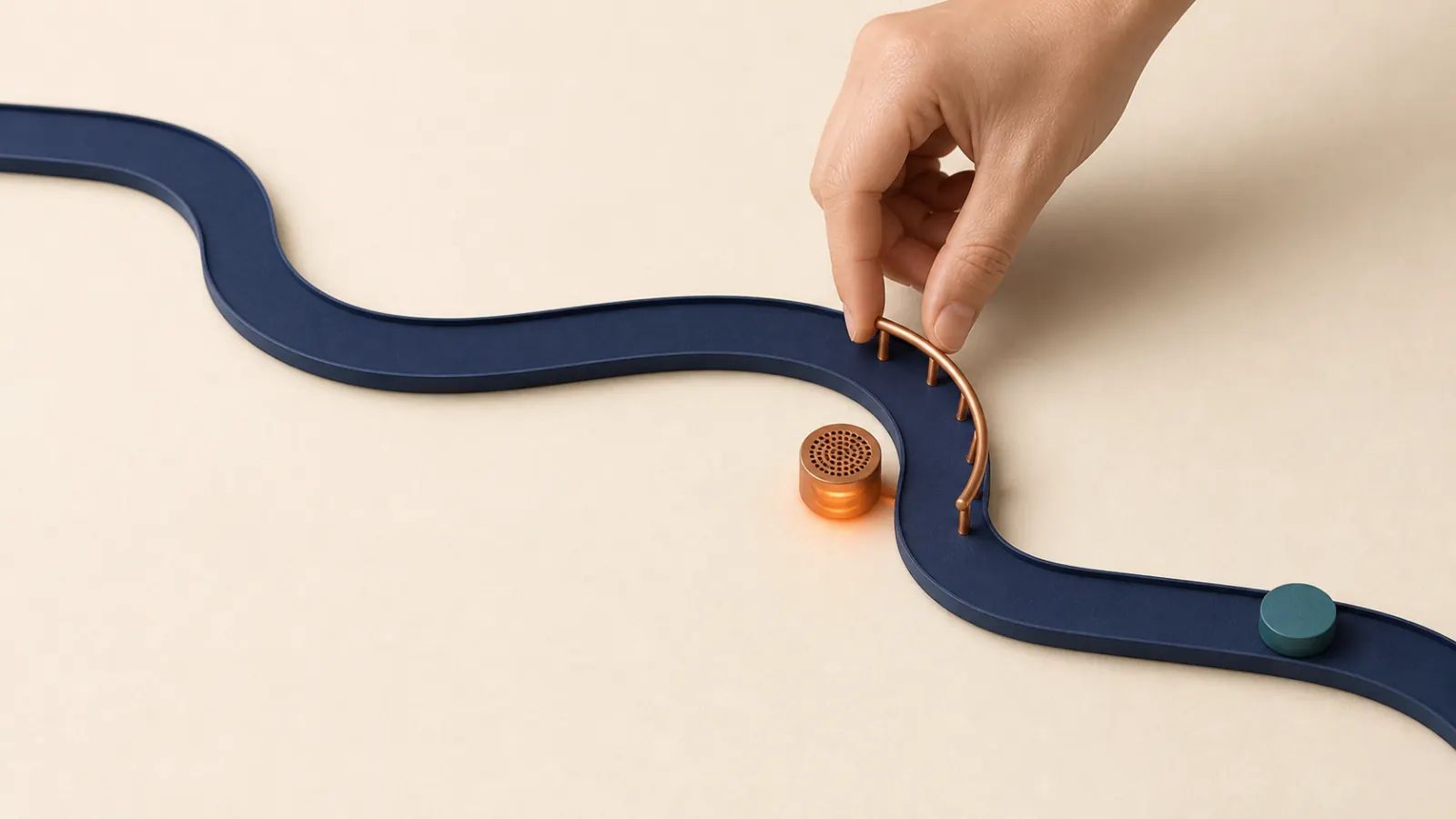
Picture a mountain road. Most of it is straight, wide and easy to read. One bend runs beside a steep drop. Installing a safety barrier along every metre would be costly, make maintenance harder and add little safety. The barrier matters on the bend, exactly where leaving the road would cause real harm.
In a service, that dangerous bend is a particular step: changing a supplier’s bank details, publishing a price, removing access or sending sensitive information. The protection belongs at that step, not across the entire journey.
Idea 1 — Describe the dangerous bend precisely
“Reduce risk” is too broad to guide anyone. Describe an event people can recognise instead: a payment is sent to the wrong account after a fraudulent change to a supplier’s bank details. That sentence shows what may happen, where it happens and why it matters.
You can then examine the real cases. How many bank detail changes are handled each month? Who requests them? How are they checked? A company may find that fifty people enter invoices, but only two change payment details. The dangerous bend is far narrower than the whole road.
Being precise stops one local risk from burdening every activity. It also helps leaders choose the small number of situations that deserve strong protection, rather than treating every possible mistake as equally serious.
Idea 2 — Put the safety barrier at the last simple, useful point
The best check comes early enough to prevent harm, but close enough to the risk that ordinary cases remain untouched. For a bank detail change, the team might call the supplier on a number already held on file before approving the first payment to the new account. Normal invoices continue along their usual route.
The rule should be easy to understand and quick to confirm. Who makes the check? What small piece of evidence is kept? What happens when the call does not confirm the request? If the answer needs a page of instructions, the safety barrier has probably become a maze.
Test the effort with the people doing the work. A two-minute check used ten times a month may be entirely reasonable. The same step imposed on ten thousand transactions would not be.
Idea 3 — Prepare for leaving the road despite the safety barrier
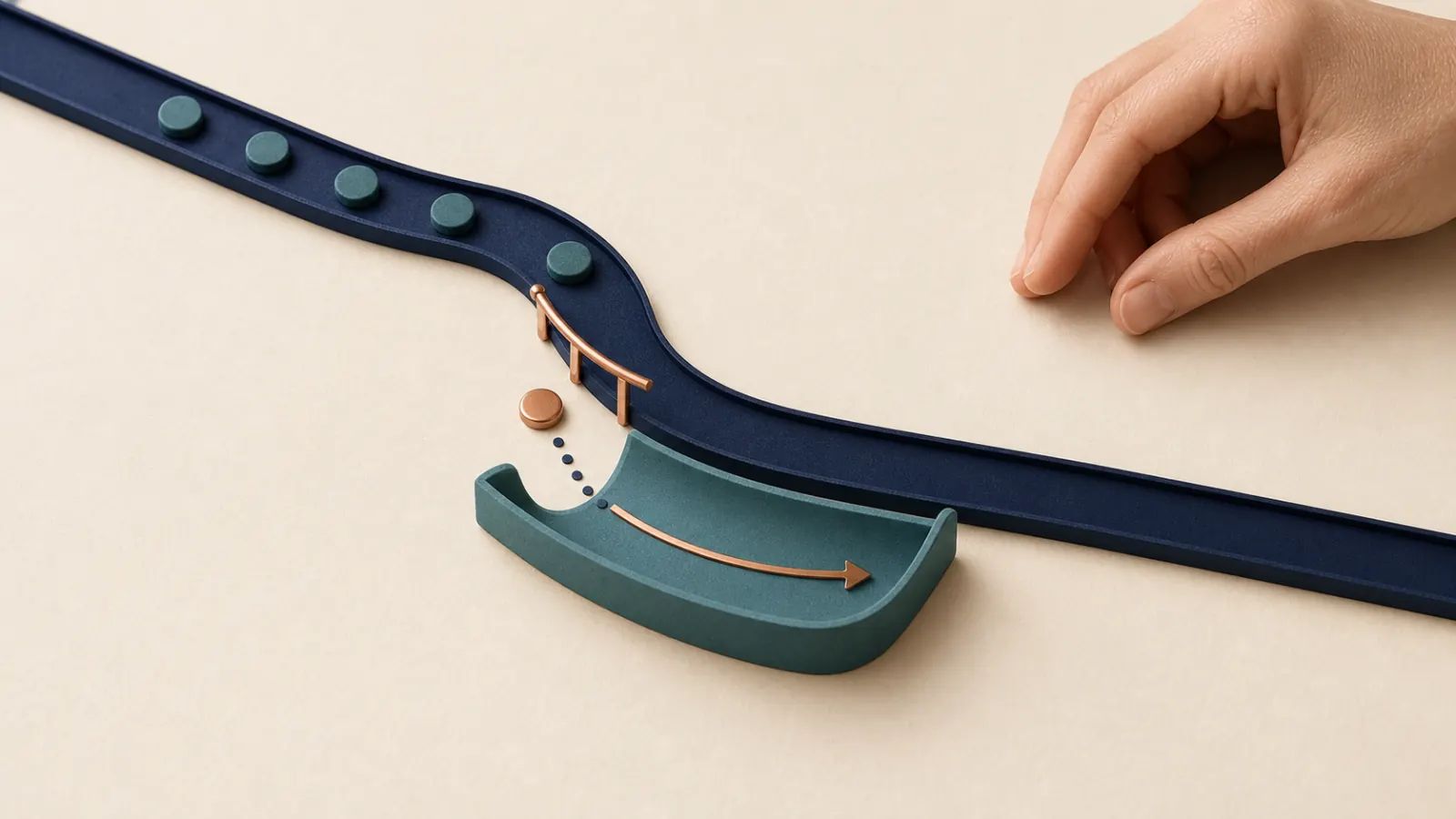
No protection prevents every mistake. The service still needs a way to spot a problem quickly, someone who can stop the transaction and a route back to safety. For a suspicious payment, that might mean an alert on every first payment to a new account, a bank contact ready to act and a named person able to pause the transfer.
This preparation limits the damage without adding more approvals in advance. It also provides useful evidence. If the same alert appears repeatedly, the bend may have changed and the safety barrier may need to move or become stronger.
The control becomes a living mechanism: it protects the service, learns from incidents and remains in proportion to the actual danger.
Put it into practice for leaders and service managers
Choose one risk that regularly concerns the team. Describe it in one concrete sentence, then follow five recent cases from start to finish. Find the step where a mistake becomes costly, the last point where it can be prevented simply and the first sign that would reveal it. Test one light protection for two weeks before adding checks elsewhere.
Takeaway
Reducing risk does not mean lining the whole road with barriers. Recognise the dangerous bend, put a simple safety barrier there and know what to do if it is crossed. If you would like help targeting protection without slowing the service, get in touch.